Is Ceramic Coating Worth It for Car Owners in Melbourne?
Is ceramic coating worth it? We break down the science, Melbourne cost drivers, PPF and wax comparisons, and realistic lifespan and upkeep.
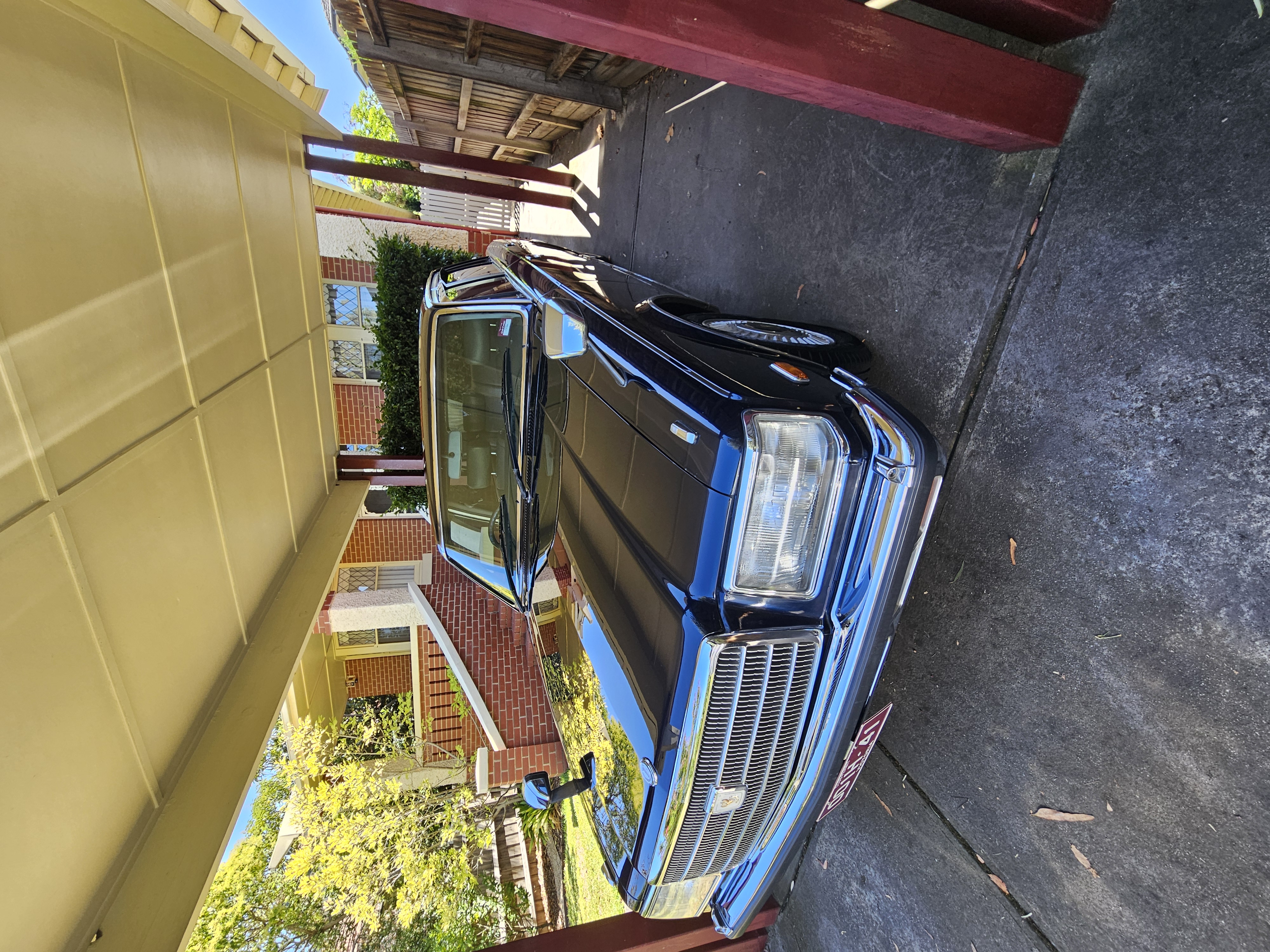
Ceramic coating is often a practical investment for many Melbourne car owners. It forms a tough, water‑repellent layer that helps limit UV fading, chemical etching and everyday grime while boosting gloss and making routine cleaning quicker. This guide walks you through what ceramic coating does, how a nano‑ceramic layer bonds to automotive paint, the real benefits for Melbourne's climate, typical local cost factors, and how coatings compare to paint protection film (PPF) and traditional wax.
Many owners ask whether the upfront cost is justified long-term — we break that down into four clear considerations: exposure, paint condition, expected lifespan and upkeep. You'll find straightforward explanations of the science, Melbourne‑specific examples (sun, coastal salt, rain and dust), transparent pricing drivers, side‑by‑side comparisons with PPF and wax, realistic longevity estimates and practical maintenance steps so you can judge whether ceramic coating fits your priorities and budget.
What Is Ceramic Coating and How Does It Work?
At its core, ceramic coating is a liquid polymer with nano‑ceramic (SiO2) particles that chemically bond to your car's clear coat to form a semi‑permanent protective layer. During cure, the silica molecules cross‑link into a rigid network that adheres at a molecular level to the paint, creating a harder, lower‑energy surface that improves gloss and sheds water.
Because the coating chemically bonds to the clear coat, it behaves differently to a surface sealant that simply sits on top and can be washed away. That bond is why coatings reduce water spotting, make washing easier and slow UV‑driven oxidation. Below we unpack the coating's main features in practical terms and how they translate into everyday protection for Melbourne cars.
What is ceramic coating and its key features?
Key features of ceramic coating include a nano‑ceramic matrix, a hydrophobic finish, resistance to UV and chemicals, and a noticeable boost in gloss and paint depth. The silica‑based molecules harden into a matrix that offers surface‑level scratch resistance and makes contaminants easier to remove. The hydrophobic top layer promotes strong water beading and sheeting, which reduces mineral deposits after rain and during washes.
Together, these properties help preserve finish quality and cut down on the time and effort needed for regular upkeep — especially useful for daily drivers in Melbourne. Next we'll look at how these characteristics tackle the specific threats our city presents.
How does ceramic coating protect Melbourne cars?
Ceramic coating helps Melbourne cars by reducing UV damage that causes paint oxidation, repelling acidic contaminants such as bird droppings, and making dust and road grime less likely to stick during dry spells. The silica network disperses some UV energy, slowing the chemical changes that fade paint so colours stay fresher for longer.
Hydrophobic behaviour means contaminants sit on the coating's surface instead of bonding with the clear coat, so they're simpler to remove during a wash and you avoid harsh cleaners that strip protection. Those combined effects help owners keep finish quality and resale value despite Melbourne's mix of sun, coastal salt and changeable weather. The next section outlines these benefits in more detail.
What Are the Key Benefits of Ceramic Coating for Melbourne Car Owners?
Ceramic coating delivers several practical benefits that matter in Melbourne: UV protection to slow fading, hydrophobicity for easier cleaning, improved resistance to chemical damage from bird droppings and pollution, and lasting gloss that helps maintain appearance and resale value. The coating reduces the need for heavy, corrective washes and lowers the risk of permanent etching from acidic deposits, which can save time and money over the life of the car. For many owners the most obvious day‑to‑day wins are fewer water spots after rain, quicker maintenance washes and preserved paint depth that keeps cars looking newer.
Below are the core benefits and what they mean on the street:
- UV protection — Slows paint oxidation and colour fade from strong sunlight.
- Hydrophobic surface — Water beads and runs off, making washes easier and reducing staining.
- Chemical resistance — Lowers the chance of etching from bird droppings and tree sap.
- Enhanced gloss — Boosts shine, improving curb appeal and resale prospects.
These benefits work together: better chemical resistance reduces corrective work while hydrophobicity lowers how often you need to wash.
Matching protection attributes to the everyday value they provide for Melbourne owners:
- UV resistance — Silica matrix reduces UV penetration and oxidation, meaning slower paint fade and longer-lasting colour.
- Hydrophobicity — Low surface energy causes water beading and sheeting, meaning easier cleaning and fewer water spots after rain.
- Chemical resistance — Hard outer layer resists acidic contaminants, meaning reduced etching from bird droppings and pollution.
- Scratch resistance (surface) — Increased surface hardness resists light abrasions, meaning fewer swirl marks from routine washing.
Seeing these features side‑by‑side helps when choosing product quality and application method. Next: how much does a coating cost locally, and what drives the price?
If you'd like a professional assessment, our certified technicians can inspect your paint and recommend a coating plan that matches your car's condition and how you drive — [book a personalised inspection](/booking) before you commit.
How does ceramic coating provide UV protection in Melbourne's climate?
Ceramic coating reduces UV damage by forming a silica‑rich barrier that absorbs and scatters ultraviolet radiation, slowing heat‑driven oxidation and clear coat breakdown. It won't block every UV ray, but it significantly slows the chemical reactions that cause chalking and colour loss — a notable advantage under Australia's strong sun. For Melbourne owners that means slower visible fading and longer intervals between corrective paint work. Proper maintenance and professional application further help the coating deliver on UV resistance over time.
In what ways does ceramic coating improve scratch resistance and hydrophobicity?
Coatings increase surface micro‑hardness, which helps reduce fine swirl marks and light marring from routine washing and dusting. It's important to be realistic: coatings won't stop stone chips or deep impacts, but they do lower abrasion from poor washing techniques and fine particles. Hydrophobicity complements hardness by keeping dirt from locking into the paint — when contaminants bead up, they're less likely to be rubbed in during cleaning. Using correct wash methods preserves both hardness and water‑repellency, which ties directly into prep and application costs.
How Much Does Ceramic Coating Cost in Melbourne?
Costs in Melbourne depend on vehicle size, the level of paint correction required beforehand, and the grade of coating and warranty offered. Major price drivers include whether the job needs multi‑stage polishing, the vehicle's size and complexity, the number of coating layers, and whether you choose premium professional SiO2 systems with warranty backing. Laying out these drivers helps you estimate a realistic budget and decide whether a single panel, zone treatment or full‑body application is right for you.
Key cost factors for ceramic coating in Melbourne include:
- Prep and paint correction — More correction adds labour and cost.
- Vehicle size and complexity — Larger or multi‑trim cars take longer to finish.
- Number of layers and product grade — Each additional layer and higher‑grade formula raises the price.
- Warranty and servicing — Included inspections or maintenance plans influence the total outlay.
These factors interact: a large SUV with swirl marks that needs multi‑stage correction and multiple coating layers will sit at the high end, while a small, well‑kept sedan needing minimal work will sit lower.
Typical pricing drivers and their usual impact on final estimates:
- Vehicle size — Affects time and material usage, with a low to high price increase depending on size.
- Paint condition — Affects hours needed for correction, with a significant increase when heavy correction is required.
- Number of layers — Affects product and labour, with a moderate increase per additional layer.
- Product grade and warranty — Affects longevity and coverage, with higher‑grade products costing more upfront.
Because of these variables, an in‑person assessment usually produces the most accurate quote. Our ceramic coating starts from $999 + GST — see the full breakdown on our [services page](/services), or [book a personalised inspection](/booking) for a written quote matched to your vehicle.
What factors influence ceramic coating prices in Melbourne?
Preparation and paint correction are major price drivers because addressing oxidation, swirl marks or old sealants often means multi‑stage polishing and claying, which adds hours. Vehicle size and trim complexity affect masking and labour estimates. The coating system and number of layers determine product cost — professional SiO2 systems and nanoscale formulas with warranty support cost more than basic sealants. Finally, maintenance packages or regular inspections bundled into a warranty can change the overall price, with some providers offering annual check‑ups to help preserve performance.
What is the typical price range for ceramic coating services in Melbourne?
Exact prices vary by provider and vehicle specifics, but the market generally breaks into three tiers: entry/basic treatments for well‑kept small cars, mid‑tier professional coatings with paint correction, and premium multi‑layer systems with extended warranties. Entry packages suit cars with excellent paint; mid‑tier options include the correction needed for a durable finish; premium packages add layers and warranty coverage and suit high‑value or show vehicles. Treat these ranges as a guide — an on‑site estimate will capture your car's unique needs.
How Does Ceramic Coating Compare to Paint Protection Film and Wax?
Ceramic coating, PPF and wax all protect paint, but they do different jobs: PPF gives physical impact protection in high‑risk zones, ceramic coating delivers chemical resistance, hydrophobicity and lasting gloss across painted surfaces, and wax offers short‑term shine and sacrificial protection at low cost. Your choice depends on priorities: if stone chips and heavy abrasion are the main issue, PPF is the better option for targeted areas; if overall gloss, easier cleaning and resistance to contaminants matter most, ceramic coating is often the best fit. Many owners combine solutions — PPF in high‑impact spots plus ceramic coating over the full body — to balance both needs.
Strengths and best use cases for Melbourne drivers:
- Paint Protection Film (PPF) — Primary strength is physical impact and chip resistance. Best for highways, bull bars, front bumper and bonnet protection.
- Ceramic Coating — Primary strength is chemical resistance, hydrophobicity and gloss. Best for full‑body protection against UV, contaminants, and easier washes.
- Wax/Sealant — Primary strength is immediate gloss and a sacrificial layer. Best as a short‑term, low‑cost option for infrequently used vehicles.
This comparison helps you decide whether to use one solution or combine protections to address coastal salt, sun exposure and stone‑chip risk in Melbourne.
We typically recommend a tailored approach: PPF for the most exposed panels and a full ceramic coating over the rest of the body for chemical resistance and sustained gloss. Our certified technicians can identify risk areas on your specific vehicle and advise whether a combined PPF + ceramic package or a standalone coating better matches your driving profile — see [Paint Protection Film](/services) and [Ceramic Coating](/services) on our services page.
What are the advantages and disadvantages of ceramic coating vs. PPF?
Ceramic coating scores over PPF for minimal visual bulk, full‑body gloss enhancement and superior hydrophobic and chemical resistance on painted surfaces. Its downside is limited impact protection — PPF is specifically designed to absorb stone chips and heavier abrasions. PPF is thicker and sacrificial, ideal for bonnets, bumpers and mirror caps, while coatings are better for ongoing defence against UV, bird droppings and acid rain across the whole car. Maintenance differs too: some PPFs have self‑healing properties, whereas coatings rely on careful washing to preserve hydrophobicity. Your immediate priorities — impact protection or chemical resistance — determine the best choice.
How does ceramic coating differ from traditional wax protection?
Wax and ceramic coatings are fundamentally different in longevity and resistance. Wax gives a quick, sacrificial shine that often lasts weeks to a few months and breaks down under heat and detergents. Ceramic coatings provide multi‑year protection that resists chemical etching and UV when maintained correctly. Wax is cheap and easy to reapply, but it wears quickly in Melbourne's sun and rain. Coatings require professional prep and a higher upfront cost but generally deliver a lower cost‑per‑year thanks to their durability and reduced maintenance time. For owners who want lasting gloss and minimal upkeep, a professional coating is usually the better long‑term investment.
How Long Does Ceramic Coating Last on Melbourne Vehicles?
Lifespan depends on product grade, application quality and how the coating is maintained. Professionally applied coatings in Melbourne commonly last two to five years with correct upkeep; premium multi‑layer systems with warranties can extend beyond five years with scheduled maintenance. Durability is influenced by exposure, washing habits and whether the initial prep and application were done in a controlled environment. Realistic expectations let owners plan re‑application intervals and maintenance to keep performance and appearance.
What is the expected lifespan of ceramic coating in Melbourne's environment?
Expected life varies by product class: DIY consumer coatings often last months to about a year, mid‑range professional coatings commonly last two to five years, and premium multi‑layer systems installed by certified detailers can last beyond five years with recommended maintenance. These ranges assume normal urban use, regular gentle washing and avoidance of harsh cleaners. Proper initial preparation and installer skill are critical to adhesion and real‑world lifespan — which is why our ceramic coatings are backed by a manufacturer warranty of up to 8 years. With clear expectations you can plan maintenance that protects your investment.
Which factors affect ceramic coating durability in Melbourne?
Durability is reduced by environmental stressors (strong UV, coastal salt, industrial fallout), heavy usage (frequent highway driving, parking under trees), poor washing methods (harsh detergents, abrasive brushes) and substandard application (insufficient prep or curing). High UV and salt accelerate wear; harsh cleaners and improper washing abrade the hydrophobic layer. Scheduled professional inspections and corrective top‑ups can restore hydrophobicity and address worn areas — combined with correct home care, these steps extend service life.
How Should Melbourne Car Owners Maintain Their Ceramic Coating?
Maintaining a ceramic coating is mostly about regular, gentle care: avoid abrasive chemicals and tools, perform routine washes, and inspect the finish periodically. Recommended habits include pH‑neutral shampoo, the two‑bucket wash method with grit guards, soft microfiber drying and avoiding automatic brushes that cause swirls. Monthly visual checks and an annual professional inspection will spot wear and indicate if top‑up coatings or correction are needed to preserve warranty terms and appearance.
- Two‑bucket wash — Use a dedicated wash and a rinse bucket to reduce grit transfer.
- pH‑neutral shampoo — Clean with gentle, non‑acidic shampoo to protect the coating's chemistry.
- Soft drying — Dry with clean microfiber towels to avoid swirl marks and abrasions.
- Spot removal — Remove bird droppings and chemical stains promptly with gentle rinsing and coating‑safe cleaners.
Following these steps lowers the risk of chemical etching and mechanical wear that shorten coating life.
A sensible maintenance schedule for Melbourne conditions, balancing frequency with effort:
- Gentle wash with pH‑neutral shampoo — Every 1–2 weeks, to remove dust, salt and contaminants.
- Visual inspection — Monthly, to detect wear, water‑spotting or contamination.
- Professional detail or inspection — Annually, to reassess coating performance and perform top‑ups if needed.
- Immediate spot cleaning (bird droppings, sap) — As needed, to prevent chemical etching and staining.
Consistent, gentle maintenance preserves hydrophobicity and gloss and reduces the need for corrective work later. If you'd prefer professional support, we offer maintenance details and can flag any top‑ups needed at your next visit — see our [membership plans](/services) for regular scheduled care.
What are the best practices for cleaning and caring for ceramic-coated cars?
Use the right supplies and technique: pH‑neutral shampoos, soft microfiber wash mitts, the two‑bucket method, careful drying and avoidance of abrasive polishes or acidic cleaners that can degrade the coating. For stubborn contamination, use coating‑safe decontamination products or have a professional handle clay and deeper decontamination steps. These habits help the coating reach its intended lifespan and keep the vehicle looking its best.
How does proper maintenance extend the life and appearance of ceramic coating?
Good maintenance removes contaminants before they chemically etch the coating, preserves the hydrophobic surface that repels water and reduces wash frequency, and prevents micro‑abrasions that dull gloss. Regular gentle washing, prompt spot cleaning and periodic professional inspections maintain the coating's structure and visual depth. Measurable outcomes include longer intervals between reapplication, a sustained high‑gloss finish and a lower cost‑per‑year compared with neglect that forces early corrective work. Following a maintenance plan turns the initial outlay into lasting protection and preserved resale appeal.
- Book a professional inspection if you're unsure about paint condition or the right package for your car.
- Schedule annual check‑ups to monitor wear and perform maintenance top‑ups when needed.
- Adopt gentle home‑care routines to protect the coating and lower long‑term costs.
Frequently Asked Questions
What is the difference between DIY and professional ceramic coating application?
DIY kits are more affordable and accessible but typically use lower‑grade products and don't include the thorough prep a pro will do. Professionals use higher‑performance coatings and have the skill to prepare the paint correctly — including necessary correction — which is crucial for bond and longevity. While DIY may suit temporary or low‑use needs, professional application usually delivers better protection and longer life, especially in challenging climates like Melbourne.
Can ceramic coating be applied over existing paint protection products?
Yes — but the surface must be clean and free of contaminants. Any wax or sealant should be removed so the ceramic coating can bond properly. When PPF is present, a ceramic coating can enhance gloss and hydrophobicity, but it's wise to consult a professional to confirm compatibility and get the best result.
How does the climate in Melbourne affect ceramic coating performance?
Melbourne's variable weather, strong UV and coastal salt can all influence coating performance. Ceramic coatings help mitigate UV fading and make rain and road grime easier to manage thanks to hydrophobic properties. Regular inspections and proper maintenance are important to keep coatings effective against local challenges like salt air and sudden weather changes.
Is ceramic coating worth the investment for older vehicles?
Ceramic coating can be worthwhile on older vehicles that have good paint or after corrective work. It enhances appearance, protects against further deterioration and simplifies cleaning. If the paint is heavily oxidised or damaged, significant correction may be needed first — weigh restoration costs against the benefits of coating to decide if it matches your goals.
What maintenance is required for ceramic-coated vehicles?
Maintain coated vehicles with regular gentle washing using pH‑neutral shampoos, avoid abrasive tools and perform periodic inspections. Washing every 1–2 weeks is a reasonable cadence to remove contaminants; monthly checks will catch wear early and an annual professional inspection helps verify coating performance. These steps prolong coating life and preserve the car's finish.
Can ceramic coating be removed if necessary?
Yes. Removal is more involved than taking off wax — professionals typically use polishing to break down the coating or specialised products to remove it without damaging the paint. Owners commonly remove coatings when they've degraded or when switching protection types. Consult a professional to ensure the underlying paint remains intact.
Conclusion
Ceramic coating is a practical option for Melbourne car owners who want reliable defence against UV, chemical etching and everyday grime while keeping a long‑lasting glossy finish. Understanding the benefits, costs and maintenance needs will help you decide whether a professional ceramic coating suits your vehicle and budget.
If you're ready to lift your car care routine, [book a ceramic coating](/booking) with our certified technicians and we'll help you find the right solution for your needs.