PPF: What Paint Protection Film Actually Does and Whether Your Car Needs It
PPF isn't just for supercars. Here's what paint protection film actually is, what it protects against, and when it makes sense for a Melbourne daily driver.
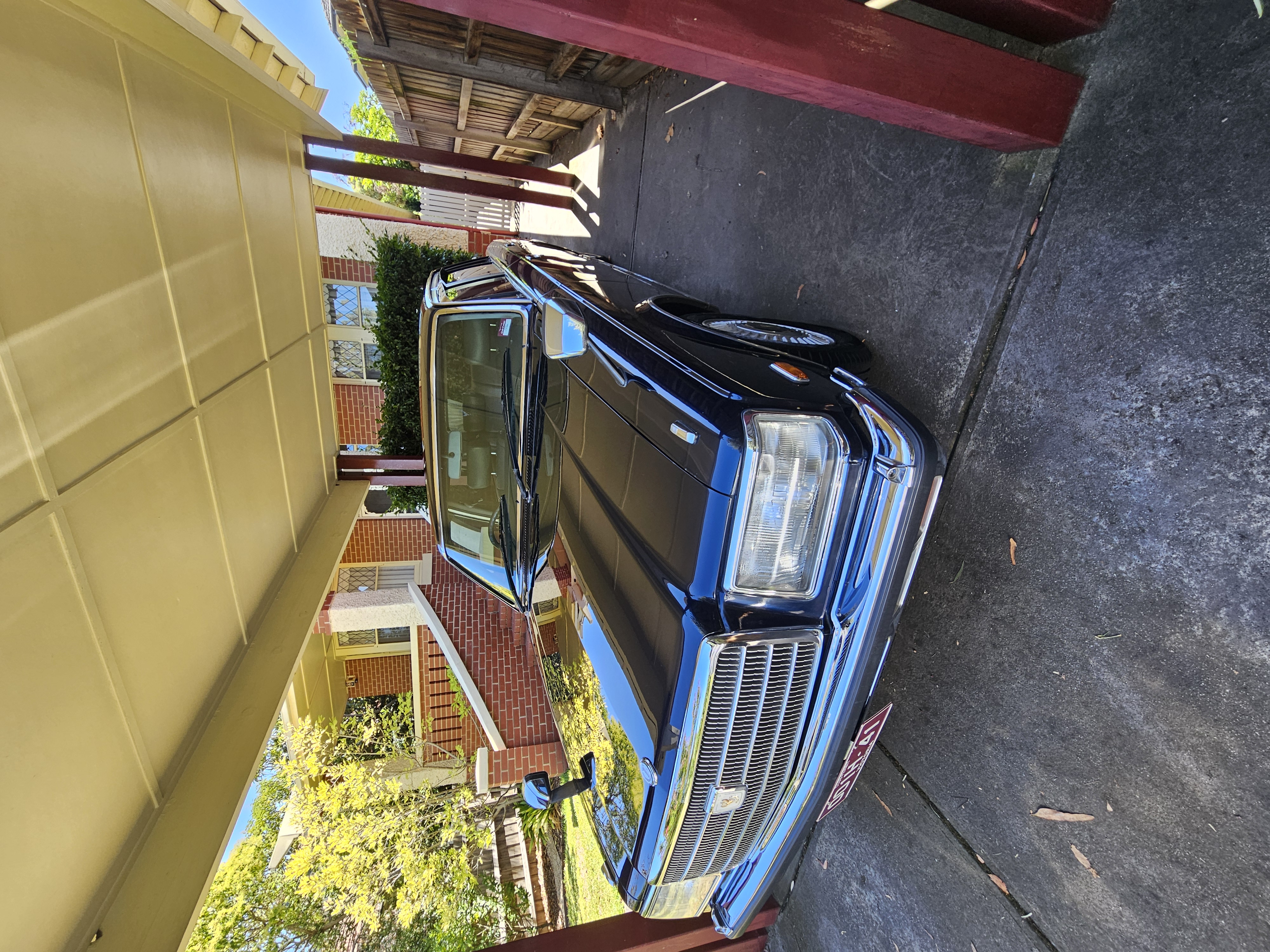
Paint Protection Film — PPF — gets talked about a lot in the detailing world, mostly in the context of exotic cars and full-body wraps. But the majority of PPF jobs done in Melbourne are partial coverage on everyday cars: the bonnet, front bumper, door edge guards, and mirror caps on a BMW 3 Series or a Toyota Landcruiser. Here's what it actually does and whether it makes sense for your car.
What PPF Is
Paint Protection Film is a clear polyurethane film — typically 8–10 mils thick — that's applied directly to your car's painted surfaces. It sits between your paint and the physical world: stone chips, road debris, car park scratches, shopping trolleys, and branch abrasion.
Modern PPF has two properties that make it genuinely useful:
Self-healing topcoat The outer layer of PPF contains a memory polymer. Light scratches — from fingernail marks, light contact, or automatic car wash brushes — heal themselves when exposed to heat (sun or warm water). The surface returns to its original state. This isn't marketing language; it's a measurable property of the film.
Impact absorption A stone that would chip paint and expose bare metal will be absorbed by the PPF. The film may show a small ding, but the paint underneath is unmarked. On roads like the South Gippsland Highway or the Western Ring Road where stones are a genuine risk, this matters.
What It Doesn't Do
PPF protects against physical impact. It does not protect against chemical damage (bird droppings left for days, petrol spills) to the same degree as ceramic coating, and it won't prevent oxidation from UV on areas that aren't covered. Many clients apply a ceramic coating over their PPF to combine chemical and physical protection.
Full Body vs Partial Coverage
A full-body PPF wrap covers every painted panel. It's the right choice for a brand-new prestige car, a track car, or a vehicle you intend to keep in perfect condition for resale. Cost: $5,000–$15,000+ depending on vehicle size and film product.
Partial coverage is what most Melbourne drivers should consider: - Bonnet and front bumper: the highest chip impact zones - Door edge guards: protect against car park door dings - Mirror caps: constantly exposed to debris and car wash brushes - Rocker panels: road grime and stone chips from the road surface
Partial coverage runs $800–$2,500 and addresses the 90% of damage risk at a fraction of full-body cost.
When Does PPF Make Sense for a Daily Driver?
If your car is worth more than $40,000 and you drive it on Melbourne freeways regularly — yes. The paint is worth protecting. The cost of a partial PPF package is recovered in paint value preservation within a few years.
If you're about to apply a ceramic coating: consider doing PPF on the high-risk zones first, then coating over the top. It's easier and more effective to do it in that order, and the coating bonds to the PPF as well as it does to paint.
If your car already has chips: PPF won't hide them, but it will prevent new ones from joining them.
Pristine Detailers and PPF in Melbourne
We install PPF across Melbourne's south east and inner suburbs. We cut film to pattern using precision software — no hand-cutting on the car, which risks paint damage. We work with multiple film brands to match the right product to your use case and budget.